Trump re-elected President of the United States! What impact will it have on the semiconductor industry?
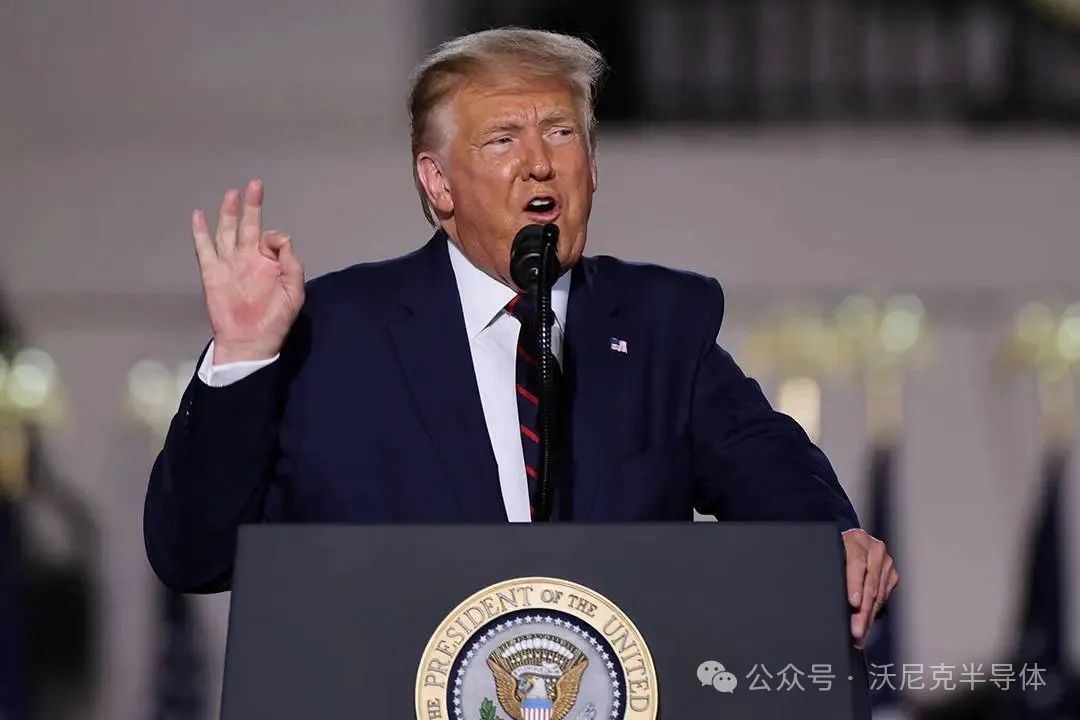
On the afternoon of November 6, Beijing time, the results of the 2024 US election were released, and Trump will become the 47th president of the United States. After Trump's election as president, what impact will it have on the global semiconductor industry and China's semiconductor industry? How should Chinese companies respond?
Recently, Trump said in an interview that the "chip bill" is a bad plan, and the Republican Dean of the US House of Representatives Johnson also said that the bill needs to be improved and optimized. The "Chip Act", full name of the "Chips and Science Act", is a bill signed by the US government on August 9, 2022, aimed at promoting the "return" of chip manufacturing to the US through huge industry subsidies and tax incentives, and strengthening research and development investment in cutting-edge technology. From the recent remarks of Trump, he will take domestic tax cuts to reduce the operating costs of enterprises, and additional tariffs to increase the operating costs of foreign enterprises
"Compared to Biden, Trump is more of a businessman who values market values." Zhang Yi, CEO and chief analyst of IIMedia Consulting, said, "Suppressing Chinese semiconductor companies may accelerate the process of Chinese semiconductor localization, and once domestic substitution is completed, the United States sanctions in this regard will be meaningless." In addition, in order to win the support of Silicon Valley technology companies, Trump will also consider some deals with Chinese companies and negotiate prices and additional conditions to allow Chinese companies to obtain foreign advanced technology.